One platform on the web, iPhone and Android
How Avokado and Aura Albania share one account across the browser and mobile apps, and when a PWA alone is enough.
Contents6
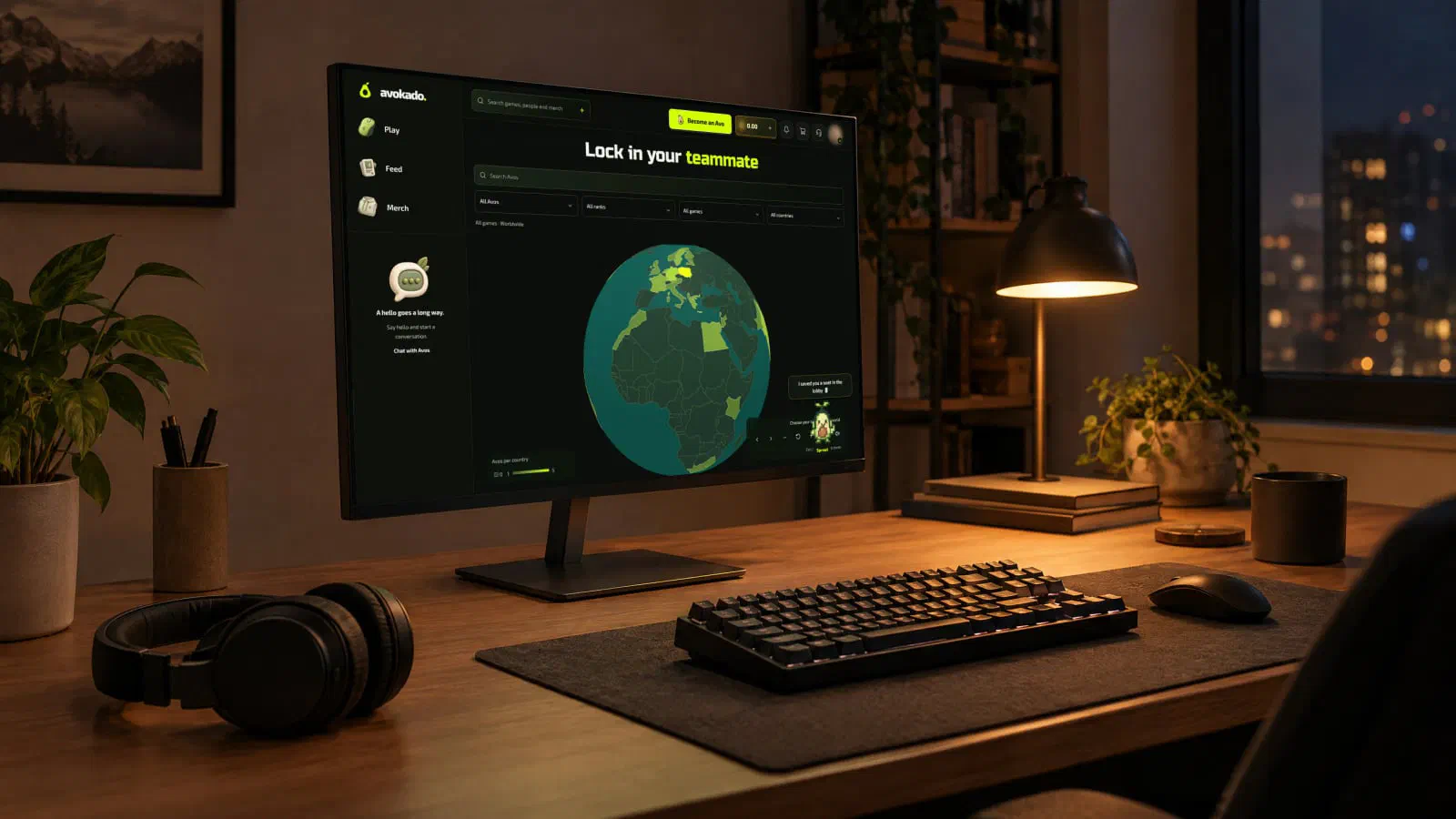
This year we shipped three products that live on more than one screen, each in a different way. Hov, the Tirana bus app, runs only in the browser and installs as a PWA. Avokado, a platform where gamers find teammates and book sessions, runs on the web and on iPhone. The Aura Albania field app runs as an offline-ready PWA and as apps for iPhone and Android.
The question clients ask is usually “do we need an app?” The more useful question is which parts of the product need to be where, and for whom.
Start from the account, not the app
On Avokado, players sign in with Google, Discord, Twitch or email. The same account works on the web and on iPhone, from sign-up to a booked session. Creators apply to become Avos from inside the platform, using that same account.
On Aura Albania, the field team uses one account on the web, iPhone and Android.
That is the foundation everything else rests on. If a person has to create a second account, re-enter their details or wonder why a booking made on the laptop is missing on the phone, the extra platform costs more trust than it adds. We design the account, the data and the permissions once, and every screen reads from the same place.
When the browser is enough
Hov needs no store app. Riders open a link at a bus stop, use it straight away and add it to the home screen if they want. For a public tool that many people use occasionally, removing the download is the main feature.
A PWA is often enough when people arrive from a link or a search, use the product now and then and do not need deep access to the phone. Our article on when a business needs a PWA goes through this in more detail.
When store apps earn their place
Aura Albania is used by field teams managing contacts, meetings, referrals and physical inventory, often with poor or no connection. The app scans QR codes on bags, works offline for supported tasks and sends push notifications for reminders.
For a tool like that, apps on iPhone and Android give the team a familiar install on their own phones, alongside the web version they can open on a computer. Avokado’s audience is similar in one respect: people who use the platform regularly expect to find it on their phone.
Store apps tend to make sense when:
- people use the product often, not once
- the product relies on the camera, notifications or working offline
- the audience expects to find it in the App Store or Google Play
One source of truth
Every platform reads from the same backend. A feature or a fix lands in one place, and the web, iPhone and Android versions show the same data. What differs is the release rhythm: a web update is live as soon as it is deployed, while store apps go through review before they reach people’s phones. We plan releases with that delay in mind, so a change that needs both is ready on both.
Design each screen for its context
Sharing an account does not mean every screen should look the same. On the laptop, an Avokado player might browse and compare. On the phone, they are more likely to check a session or reply. A field agent opens Aura Albania to scan a bag or log a meeting quickly, sometimes without a signal. The same product needs different priorities on each screen.
Questions to answer before you build
- Which platforms do your users already use, and for which tasks?
- How will people sign in, and can one account cover every platform?
- Which features must work offline?
- Do you need notifications, the camera or other phone features?
- Who will own the App Store and Google Play accounts and handle reviews?
You can explore rough costs in our calculator, see these projects in our portfolio or talk to us about your platform.