Skip to content

Online payments in Albania: the real options for a shop

Stripe isn't always the answer. Here's how Albanian customers actually pay and what to choose.

5 min readueb.al Business #Business #Technology
Online payments in Albania: the real options for a shop
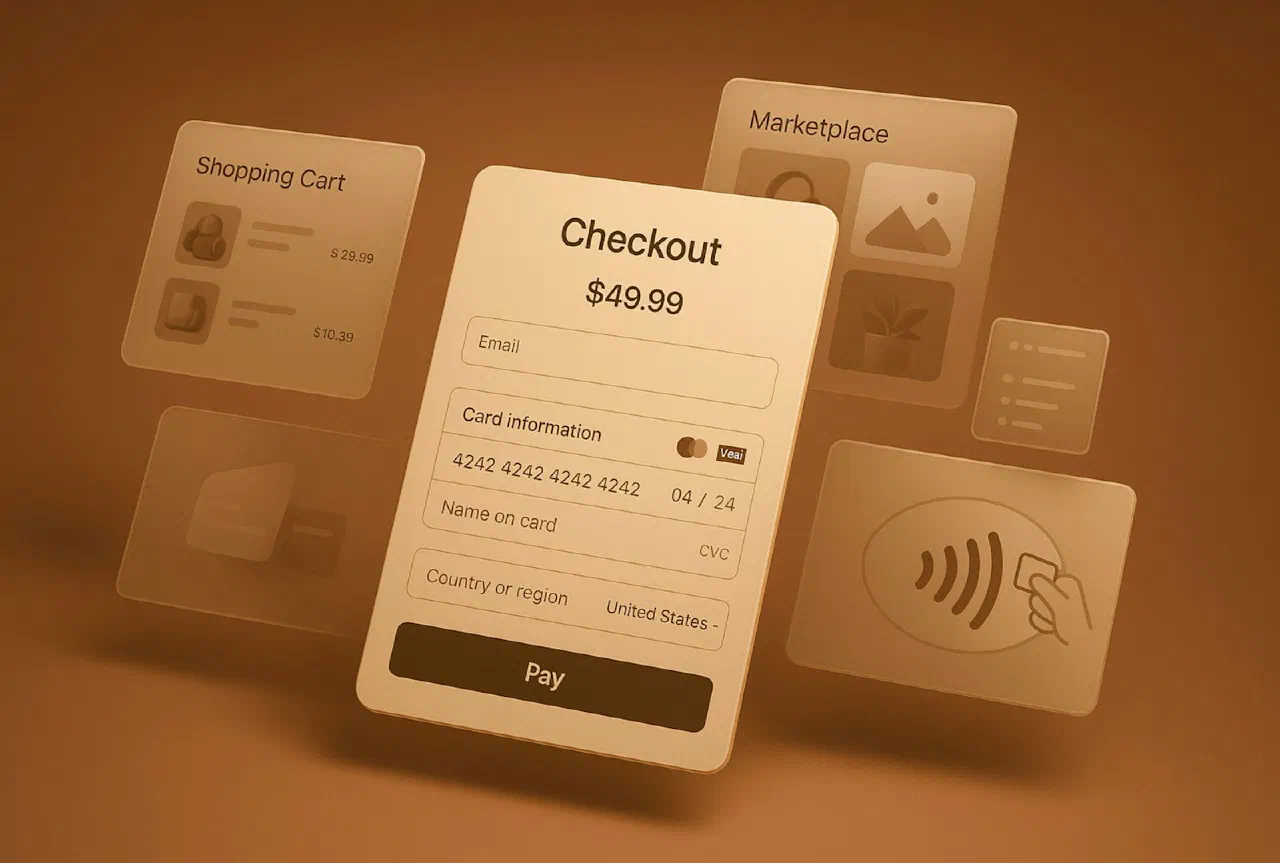
Photo by Ze Vieira
Table of Contents

When someone says “I want an online shop,” their mind goes to the cart and the “Pay” button. But in Albania, the trickiest part isn’t the shop, it’s how you actually get the money. The tools every international tutorial mentions often don’t apply the same way here.

Let’s look at the options as they are, not as we’d like them to be.

Cash on delivery: the undisputed king

Let’s admit it: most online purchases in Albania are still paid in cash, the moment the order arrives. Customers trust what they can see before they hand over money, and that’s completely normal for the market.

For many shops, this means you don’t need card payments at all to start. A site where the customer places an order and pays on delivery is fully functional, and it avoids any complications with banks and fees.

The downside: cancelled orders, returned parcels, and money you collect later. But as a starting point, it’s realistic and simple.

Bank transfer, and the instant payments coming soon

The next simplest step: the customer places an order, you give them the account number (IBAN), they make the transfer. No platform fees, no technical setup.

It works well for larger orders or for B2B businesses, where the customer doesn’t expect instant payment. For small, quick purchases, the friction is too high. Few people will open their banking app for a 1,500 lekë order.

But that’s changing. The Bank of Albania is building an instant payments system (a clone of the European Central Bank’s “TIPS”), expected to go live around mid-2026. The promise: transfers that arrive in seconds, 24/7, with QR code payments and “request to pay”. Once it’s fully live, bank transfer becomes far more usable even for small purchases.

Cards on your site: easier than you think

A few years ago, accepting cards on an Albanian site was genuinely painful. Less so today. Several banks offer a modern payment gateway that connects to your shop and processes Visa/Mastercard with 3D Secure.

The clearest example is raiAccept from Raiffeisen Bank: a gateway with clear documentation, a sandbox, and, most importantly, ready-made plugins for WooCommerce, Shopify, PrestaShop, Magento and OpenCart. So if your shop runs on one of those platforms, connecting it doesn’t mean writing code from scratch. Other banks like BKT, Credins and Fibank offer a “virtual POS” with similar features: recurring payments, card-on-file, even instalments.

Two things worth knowing:

  • Pay-by-link. Most of these let you send a payment link with no website at all. Handy if you sell on Instagram or over chat.
  • Apple Pay / Google Pay. Some gateways already support them, which cuts friction on mobile.

You’ll still need a business account and an application with documents (tax ID, registration extract). Fees vary from bank to bank and change often, so don’t trust old figures. Ask two or three banks and compare. We help with the technical side; the commercial relationship stays between you and the bank.

POK: the growing local alternative

Beyond banks, there’s local fintech too. POK (pokpay.io) is an Albanian app that issues digital Visa cards instantly, plus peer-to-peer transfers, bill payments and QR code payments in shops. It also supports Apple Pay.

For a business, two things make it interesting:

  • Pay-by-link: share a link and get paid with no website, just like with the banks.
  • Developer tools: POK offers an API and SDKs (JavaScript, PHP, React and more), so it can be integrated directly into a site or app.

It isn’t right for every case, but for small sellers, freelancers and businesses that want to get paid quickly without jumping straight to a full bank gateway, it’s worth having on the list.

What about Stripe and PayPal?

The first question from anyone who’s read a tutorial. The reality, still in 2026:

  • Stripe: doesn’t accept businesses registered in Albania. Some work around it by opening a company abroad (e.g. in the UK or US, via Stripe Atlas), but that opens legal and tax questions you shouldn’t take lightly.
  • PayPal: used, but with limits and fees worth reading carefully, especially for withdrawing money in Albania.

Don’t build your strategy on the assumption that they’ll work like they do abroad. You now have far better local options than a few years ago, so start with those.

How to start without drowning

Our practical advice: don’t overcomplicate things from day one.

  1. Start with cash on delivery and bank transfer. Zero fees, zero technical hurdles. See whether you actually sell.
  2. Add cards when volume justifies it. When orders grow and customers ask to pay online, the step to raiAccept, a bank virtual POS, or POK is much faster today, especially with ready-made plugins and pay-by-link.
  3. Keep the architecture flexible. A well-built shop lets you add a new payment method without rebuilding everything.

The most common mistake is spending weeks wrestling with payment gateways before you have your first customer. Sell first; optimise payment later.

If you’re thinking about a shop and don’t know where to start with payments, get in touch and we’ll help you choose what actually fits your business, not what’s fashionable. You can also see our work for concrete examples.